Beyond the alphabet
Beyond the alphabet is a weekly column that focuses on the world of technology both inside and outside the confines of Mountain View.
I’ve been trying to stop using smartwatches, honestly. It’s annoying to have to remember to charge something other than your phone all the time. But there are a few reasons I alternate between the Apple Watch Ultra, Galaxy Watch, and others, and Samsung just gave me another great reason to keep using them with its latest smartwatches.
I’ll start by saying that I’m a big fan of tracking my sleep, as I can see how long I slept and have a pretty good idea of how the day will go. Instead of wondering why I feel bad, I already know that it’s probably due to the 3.5 hours of sleep I get on average.
However, there is another potential reason, and it’s one I’ve been avoiding for years: sleep apnea. For reasons that will become clear shortly, I never thought that any of the The best smart watches It would be able to detect sleep apnea.
In most cases, if you think you suffer from sleep apnea, you talk to your doctor and then do a sleep study. However, the introduction of this feature with the Galaxy Watch 7 and See Ultra Hopefully this will clear some of your doubts. Instead of going to the doctor and telling him you are tired, you can with a little luck Use data from your smartwatch to support your theory.
Samsung gave me a real reason to upgrade

It’s the introduction of this functionality that really intrigues me when it comes to getting one of these. For years, I just assumed I was on this planet for the purpose of being exhausted. It wasn’t until I started dating my current wife that I realized something more might be going on.
There were several times when I would wake up in the middle of the night, seemingly for no reason at all. It turned out that I did it for a good reason: I would wake up in the middle of the night and it would sound like I wasn’t breathing.
Things got a little better after I lost about 50 pounds, but according to my wife, it still happens from time to time. The difference now is that if I wake up in the middle of the night, it’s because there might be something wrong with our five-month-old son.

If I turn off the “tech enthusiast” part of my brain and think about the potential health benefits and not just because it’s something “shiny new,” a new Galaxy Watch might be on the way. The only reason I haven’t pre-ordered one for myself yet is because the feature is apparently coming to the Galaxy Watch 6.
When pairing my Look 6 Classic running the One UI Watch 6 beta release with the Galaxy Z Fold 6It was listed under the “new features” section. However, I haven’t been able to find any mention of it since, so I’m not entirely convinced it’s going to work. At this point, I’ll probably re-evaluate whether I’ll upgrade or just stick with what I have.

There is another reason that might lead me to upgrade anyway, and that is partially for the “new and shiny” factor. With the Watch 7 and Watch 7 Ultra, Samsung introduced a New and improved BioActive sensorSamsung claims this will deliver “more accurate readings,” thanks to the new LED array combined with a “greater number of green, red and infrared LEDs.”
On paper, this should result in more accurate and reliable tracking, which should make the Watch 7 a better health accessory than its predecessor.
Use your head
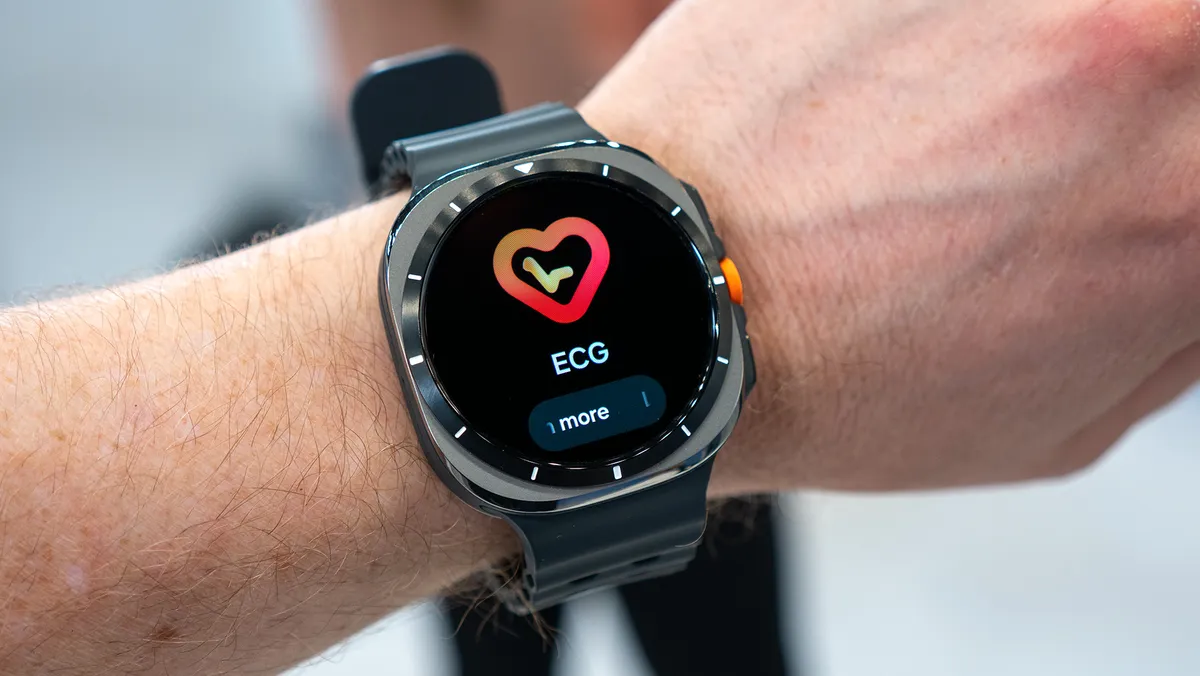
It’s important to note that I called the Watch 7 a health “accessory” and didn’t use a different adjective. You’ll have to dig around the Android Central archives a bit, but our own Jerry Hildenbrand wrote about it something like that.
Besides being a fantastic article, Jerry rightly points out that all of these handheld devices cannot replace real equipment. I mean, in the sense of the equipment that is in your doctor’s office, it is not something that can be purchased on Amazon or Best Buy.
The technology in our devices continues to evolve regularly, even in ways you may not have known about. Wearables are even more prone to dramatic improvements, as there are regulatory hurdles to overcome before a company can tell you that a smartwatch tracks your heart rate.
As Jerry says, “If you think something is wrong, go see a doctor and get checked out. You can still enjoy your smartwatch even if it’s not everything the company selling it told you it was.”
However, these devices are also mass-produced on a completely different scale compared to healthcare equipment. Companies must make as many wearables as they can based on projected sales figures and available components. This isn’t a bad thing, but it’s something you need to keep in mind if you want a smartwatch to tell you everything is fine when it’s actually the opposite.
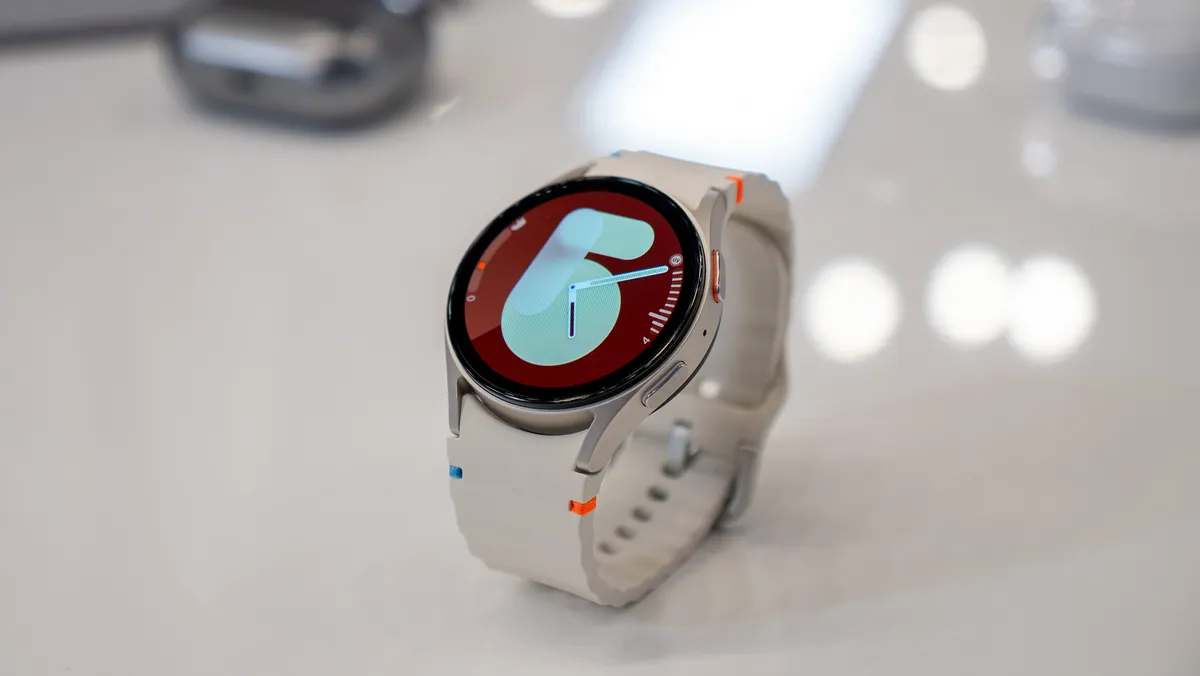
Even with the Surprising FDA approvalSamsung’s smartwatch can’t tell you with any degree of certainty whether or not you have sleep apnea. What it does do is point you in the right direction, suggesting that you consult your doctor or other health care professional.
I know it probably sounds like I’m going through a lot of mental exercises to justify buying the “latest and greatest.” However, that’s not the case here, as the Galaxy Watch 7 and Ultra offer legitimate health benefits that can’t be found anywhere else.