    <section>

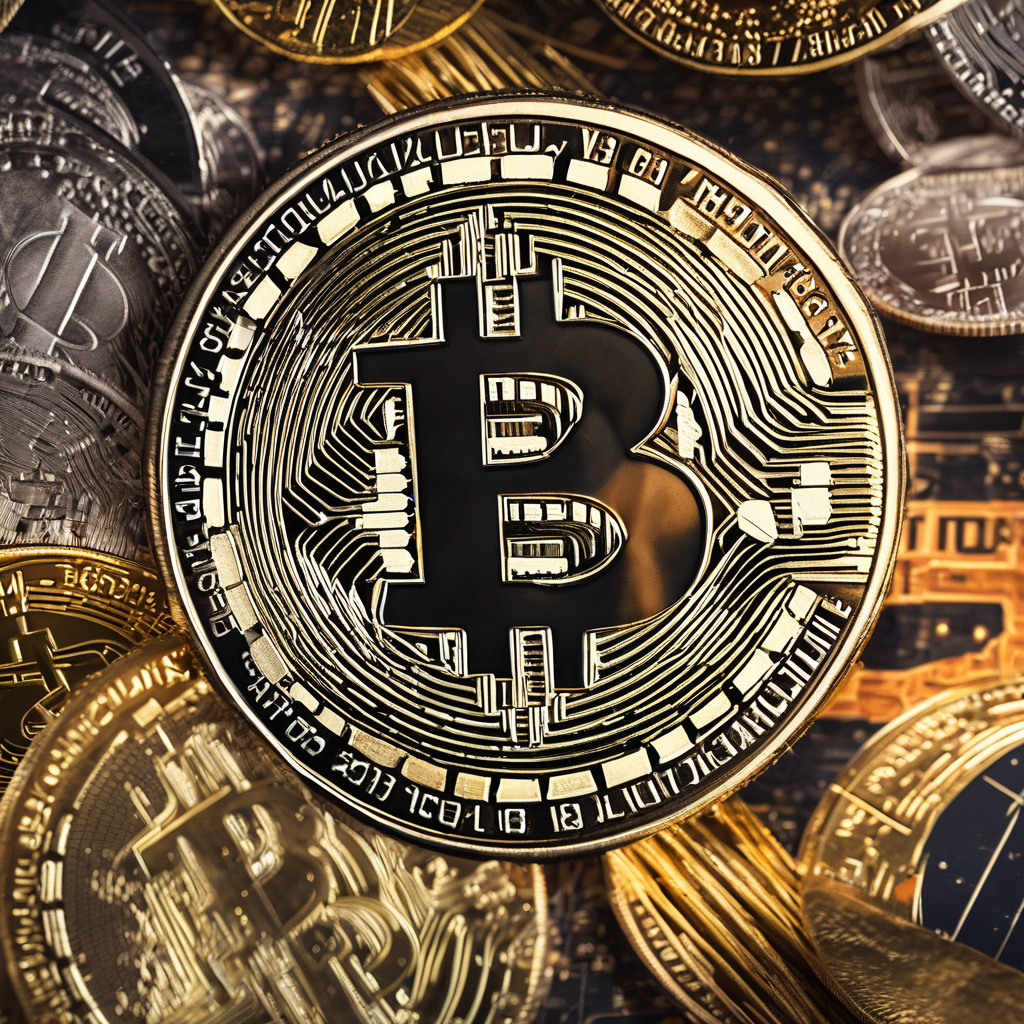
        <p>In 2009, an anonymous programmer using the pseudonym Satoshi Nakamoto launched <strong>Bitcoin (BTC)</strong>, birthing a brand-new asset class built on the revolutionary concept of decentralized blockchain technology. Over a decade later, the cryptocurrency ecosystem has ballooned to feature thousands of alternative coins—popularly known as <strong>"altcoins."</strong></p>
<p>From the smart-contract pioneer Ethereum (ETH) to high-speed networks like Solana (SOL) and privacy-focused currencies like Monero (XMR), the market is flooded with innovation. Yet, despite fierce competition and technological evolutions, Bitcoin consistently maintains its crown, often accounting for 40% to 60% of the entire cryptocurrency market capitalization. Why does the original cryptocurrency continue to dominate the digital frontier?</p>

    </section>
<section>

        <h2>The "First-Mover" Advantage and Absolute Brand Equity</h2>

        <p>In marketing and economics, the <strong>first-mover advantage</strong> refers to the market share and brand recognition gained by the first significant occupant of a market segment. Bitcoin is not just a cryptocurrency; for the vast majority of the global population, Bitcoin <em>is</em> cryptocurrency.</p>
<p>When major media outlets cover digital assets, Bitcoin is almost always the focal point. This brand equity has translated into a level of trust that no altcoin has been able to match. To the average retail investor and the conservative institutional allocator, Bitcoin represents a calculated entry point, whereas altcoins are often viewed as highly speculative tech startups.</p>

    </section>
<section>

        <h2>The Power of Hardcoded Scarcity (Digital Gold)</h2>

        <p>Unlike traditional fiat currencies, which can be printed endlessly by central banks, and many altcoins, which have flexible or inflationary supplies, Bitcoin’s supply is strictly capped at <strong>21 million coins</strong>. </p>
<blockquote>

            "If you can create more of something with the click of a button, it cannot serve as reliable hard money. Bitcoin's programmatic, unalterable scarcity is its greatest feature."

        </blockquote>
<p>This immutable limit is enforced by a global consensus network. Every four years, an event called the "Halving" cuts the issuance rate of new Bitcoins in half, systematically increasing its scarcity. This predictable, deflationary monetary policy has earned Bitcoin the moniker of "Digital Gold," positioning it as the ultimate long-term hedge against inflation.</p>

    </section>
<section>

        <h2>Unmatched Security and Decentralization</h2>

        <p>Bitcoin operates on a Proof-of-Work (PoW) consensus mechanism. To secure the network, miners around the world deploy massive amounts of computational power. The sheer size of Bitcoin's "hash rate" makes it the most secure computing network on Earth.</p>
<p>To launch a successful attack on Bitcoin (known as a 51% attack), an entity would need to acquire more computing power than the rest of the global network combined—an endeavor requiring billions of dollars in hardware and electricity. While several altcoins have shifted to Proof-of-Stake (PoS) to prioritize speed and energy efficiency, they often do so by compromising on absolute security and decentralization, leaving Bitcoin as the gold standard for censorship resistance.</p>

    </section>
<section>

        <h2>Institutional Adoption and Regulatory Clarity</h2>

        <p>The regulatory landscape is one of the most significant battlegrounds in crypto. Here, Bitcoin holds a unique, highly advantageous position:</p>
<ul>

            <li><strong>Commodity Status:</strong> In the United States, regulatory bodies like the SEC and CFTC have consistently classified Bitcoin as a <em>commodity</em> rather than a security. Many altcoins, conversely, face ongoing legal scrutiny over whether they constitute unregistered securities.</li>

            <li><strong>Wall Street Integration:</strong> The approval of Spot Bitcoin ETFs (Exchange-Traded Funds) by major global regulators has opened the floodgates for institutional capital. Pension funds, asset managers, and corporate treasuries can now buy Bitcoin within a regulated framework.</li>

            <li><strong>Corporate Treasuries:</strong> High-profile companies like MicroStrategy and Tesla have added Bitcoin to their balance sheets as a reserve asset. This is a level of corporate trust that altcoins have yet to achieve.</li>

        </ul>

    </section>
<section class="comparison-box">

        <h4>Quick Snapshot: Bitcoin vs. Altcoins</h4>

        <p>While altcoins offer fast transaction speeds and programmable smart contracts to run decentralized applications (dApps), they trade off security, decentralization, and regulatory certainty. Bitcoin focuses on doing one thing flawlessly: acting as a highly secure, decentralized, censorship-resistant store of value.</p>

    </section>
<section>

        <h2>The Liquidity Black Hole</h2>

        <p>In finance, liquidity refers to how easily an asset can be converted into cash without affecting its price. Bitcoin enjoys the deepest liquidity in the crypto space. It is traded on virtually every exchange, by every broker, and in almost every country.</p>
<p>During market downturns (bear markets), investors routinely flee risky altcoins and capital flows back into Bitcoin. This flight-to-safety dynamic creates a recurring cycle where Bitcoin asserts its dominance during economic uncertainty, acting as the reserve currency of the entire digital asset economy.</p>

    </section>
<section class="conclusion-box">

        <h3>The Verdict: A Symbiotic Coexistence</h3>

        <p>Altcoins will continue to play a crucial role in pushing the technological boundaries of Web3, DeFi, and digital identity. However, they do not compete with Bitcoin because they serve different purposes. While altcoins act as the fuel for decentralized software platforms, Bitcoin remains the digital epoch's bedrock of hard money. As long as security, scarcity, and decentralization remain the foundational pillars of the crypto movement, the original cryptocurrency is unlikely to ever yield its crown.</p>

    </section>

</article>