    <section>

        <p>In 2009, an anonymous programmer (or group of programmers) operating under the pseudonym <strong>Satoshi Nakamoto</strong> released a whitepaper that would change the global financial landscape forever. The paper described a peer-to-peer electronic cash system called <strong>Bitcoin</strong>.</p>
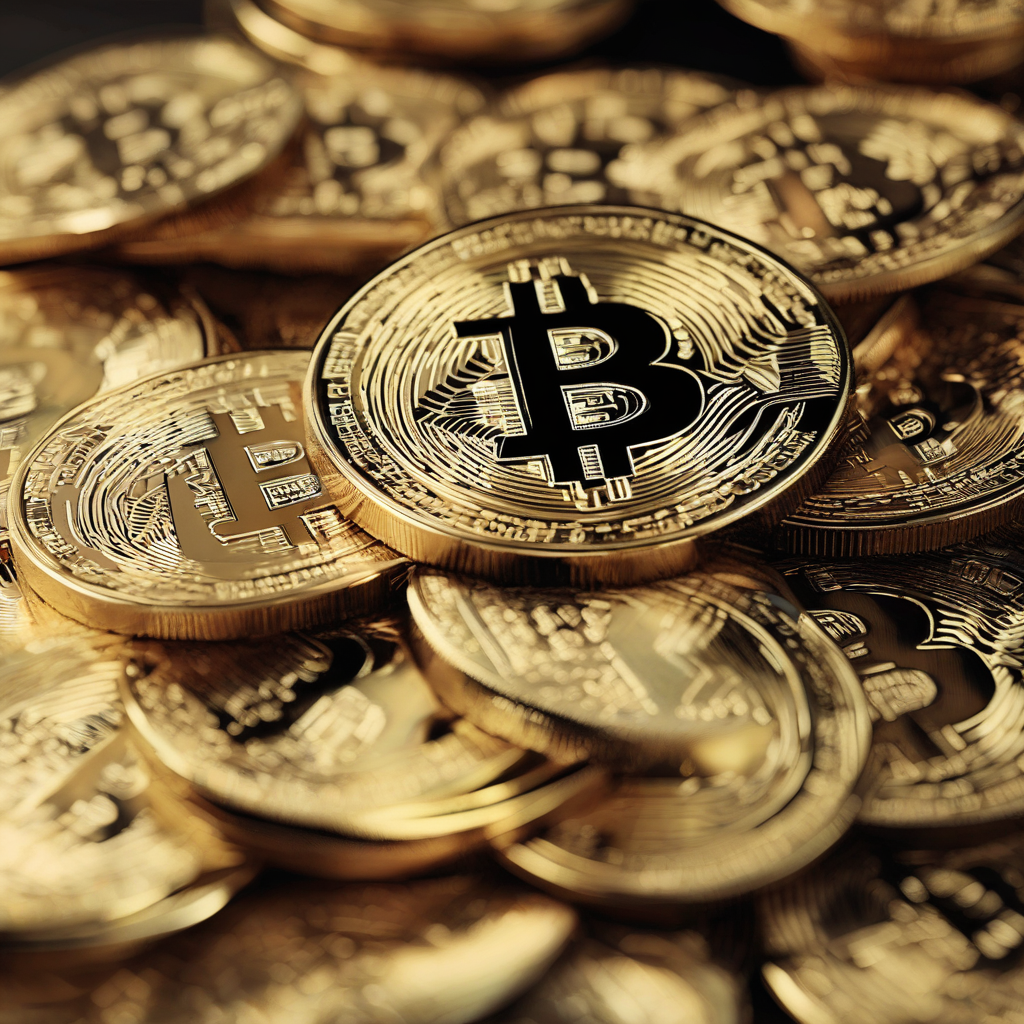
<p>Fast forward to today, and Bitcoin has evolved from a niche cypherpunk experiment into a multi-billion-dollar asset class, often referred to by institutional investors and retail buyers alike as <strong>"Digital Gold."</strong> But if you are new to the space, the terminology can feel like a foreign language. Let’s strip away the jargon and break down exactly what Bitcoin is, why it holds value, how you can buy it, and how to store it safely.</p>

    </section>
<section>

        <h2>1. Understanding Bitcoin: What is it?</h2>

        <p>At its core, Bitcoin is a <strong>decentralized digital currency</strong>. Unlike traditional fiat currencies (like the US Dollar or Euro), Bitcoin is not issued or controlled by any central government, bank, or corporation.</p>
<p>Instead, it runs on a global, peer-to-peer computer network. Transactions are verified by network nodes through cryptography and recorded on a public, immutable ledger called the <strong>blockchain</strong>. Think of the blockchain as a digital receipt book that everyone can see, but no single entity can alter.</p>
<h3>Why is it called "Digital Gold"?</h3>

        <p>Bitcoin is frequently compared to gold because of its native characteristics:</p>

        <ul>

            <li><strong>Absolute Scarcity:</strong> Only 21 million Bitcoins will ever exist. Unlike fiat currencies, which central banks can print endlessly, Bitcoin's supply limit is hardcoded into its protocol.</li>

            <li><strong>Divisibility:</strong> A single Bitcoin can be divided down to eight decimal places. The smallest unit is called a "Satoshi" (0.00000001 BTC), meaning you don’t need to buy a whole Bitcoin to get started.</li>

            <li><strong>Durability and Portability:</strong> Bitcoin cannot degrade over time like physical assets, and you can transport millions of dollars worth of Bitcoin anywhere in the world on a flash drive or memorized seed phrase.</li>

        </ul>

    </section>
<section>

        <h2>2. How to Buy Bitcoin: A Step-by-Step Guide</h2>

        <p>Buying Bitcoin is simpler today than it has ever been. Follow these four basic steps to make your first purchase:</p>
<ol class="step-list">

            <li>

                <strong>Choose a Crypto Exchange:</strong>

                Select a reputable, regulated cryptocurrency exchange. Popular options for beginners include Coinbase, Kraken, Binance, and Gemini. Look for platforms with high security standards, low fees, and user-friendly interfaces.

            </li>

            <li>

                <strong>Create and Verify Your Account:</strong>

                Sign up using your email and set up a strong password. Because of global anti-money laundering regulations, you will need to complete a <strong>KYC (Know Your Customer)</strong> process. This typically requires uploading a photo of your government-issued ID and taking a quick selfie.

            </li>

            <li>

                <strong>Deposit Funds:</strong>

                Link your bank account, debit card, or credit card to deposit local fiat currency (e.g., USD, EUR). Bank transfers (ACH or SEPA) usually take a few days but have the lowest fees, while card purchases are instant but carry higher fees.

            </li>

            <li>

                <strong>Place Your Order:</strong>

                Navigate to the trading section, search for Bitcoin (BTC), enter the amount you wish to spend, and click "Buy." Congratulations—you now own Bitcoin!

            </li>

        </ol>

    </section>
<div class="highlight-box">

        <p><strong>💡 Pro Tip (Dollar-Cost Averaging):</strong> Instead of trying to time the highly volatile crypto market, many beginners use a strategy called Dollar-Cost Averaging (DCA). This involves buying a fixed dollar amount of Bitcoin at regular intervals (e.g., $20 every week), regardless of the price.</p>

    </div>
<section>

        <h2>3. Storing Your Bitcoin Safely</h2>

        <p>Once you purchase Bitcoin, the next crucial step is securing it. If you leave your Bitcoin on the exchange where you bought it, the exchange controls your funds. In the crypto community, there is a famous saying: <strong>"Not your keys, not your coins."</strong></p>
<p>To truly own your Bitcoin, you must move it to a personal <strong>crypto wallet</strong>. Crypto wallets don't actually store Bitcoin (which exists on the blockchain); instead, they store your <strong>private keys</strong>—the digital passwords required to access and spend your funds.</p>
<h3>Hot Wallets vs. Cold Wallets</h3>

        <p>There are two primary categories of wallets, each balancing security and convenience differently:</p>
<table class="comparison-table">

            <thead>

                <tr>

                    <th>Feature</th>

                    <th>Hot Wallets (Software)</th>

                    <th>Cold Wallets (Hardware)</th>

                </tr>

            </thead>

            <tbody>

                <tr>

                    <td><strong>Connection</strong></td>

                    <td>Connected to the internet</td>

                    <td>Offline (Physical device)</td>

                </tr>

                <tr>

                    <td><strong>Format</strong></td>

                    <td>Mobile apps, desktop software, browser extensions</td>

                    <td>USB-like physical devices (e.g., Ledger, Trezor)</td>

                </tr>

                <tr>

                    <td><strong>Security</strong></td>

                    <td>Medium (vulnerable to malware/hacks)</td>

                    <td>Maximum (safe from online attacks)</td>

                </tr>

                <tr>

                    <td><strong>Best For</strong></td>

                    <td>Daily trading and small amounts</td>

                    <td>Long-term storage and large amounts</td>

                </tr>

            </tbody>

        </table>
<h3>The Golden Rule of Self-Custody: The Seed Phrase</h3>

        <p>When you set up a private wallet, you will be given a sequence of 12 to 24 random words called a <strong>seed phrase</strong> (or recovery phrase). This phrase is the master key to your funds. If your hardware device breaks or you lose your phone, entering this seed phrase into a new wallet will restore your assets completely.</p>
<p><strong>Never share your seed phrase with anyone, and never store it digitally (e.g., in a screenshot or email). Write it down on physical paper and store it in a secure, fireproof location.</strong></p>

    </section>
<section>

        <h2>4. Essential Security Tips for Beginners</h2>

        <ul>

            <li><strong>Enable Two-Factor Authentication (2FA):</strong> Always use app-based 2FA (like Google Authenticator) rather than SMS-based 2FA on your exchange accounts to prevent SIM-swapping attacks.</li>

            <li><strong>Beware of Phishing Scams:</strong> Double-check URLs before entering login credentials. Legitimate wallet manufacturers and exchanges will never ask you for your seed phrase.</li>

            <li><strong>Start Small:</strong> Before moving a large chunk of money, send a tiny "test transaction" to your personal wallet to make sure you understand the process.</li>

        </ul>

    </section>
<section>

        <h2>Conclusion: Taking the First Step</h2>

        <p>Bitcoin represents a paradigm shift in how we think about money, scarcity, and trust. While it may seem daunting at first, understanding the fundamentals of decentralized networks, scarcity, and proper security protocols is all it takes to participate in this digital revolution.</p>

        <p>Now that you know the basics, the best way to learn is by doing. Start small, stay curious, and prioritize security as you begin your journey into the world of digital gold.</p>

    </section>
<footer class="footer-note">

        Disclaimer: This article is for educational purposes only and should not be considered financial or investment advice. Always conduct your own research before investing in volatile assets like cryptocurrencies.

    </footer>

</article>