Assassin’s Creed Mirage is the latest AAA title released for iOS and iPadOS. It is the last of the four big games that were announced during the iPhone 15 keynote in 2023, with the others being Resident of the bad town, Resident Evil 4and Death Stranding Director’s Cut. We already have reviews for them and now it’s time to take a look at Mirage.
Mirage is the thirteenth entry in the Assassin’s Creed series and was released late last year for PC and consoles. Described as a return to the series’ roots, it follows the story of a thief-turned-assassin named Basim Ibn Ishaq living in Baghdad in 861 AD and who was a supporting character in the previous game, Assassin’s Creed Valhalla. While Mirage is not the first Assassin’s Creed game on iOS, it is the first game in the main series rather than a spin-off title made for mobile devices.
Assassin’s Creed Mirage is available for both iPhone and iPad, with the minimum requirements being an iPhone 15 Pro/Max on iOS and an iPad with an M-series chip on iPadOS. Unlike the other games mentioned above, Mirage is not yet available on Mac, but you can purchase it once on iPhone or iPad and play on either platform with synced saves.
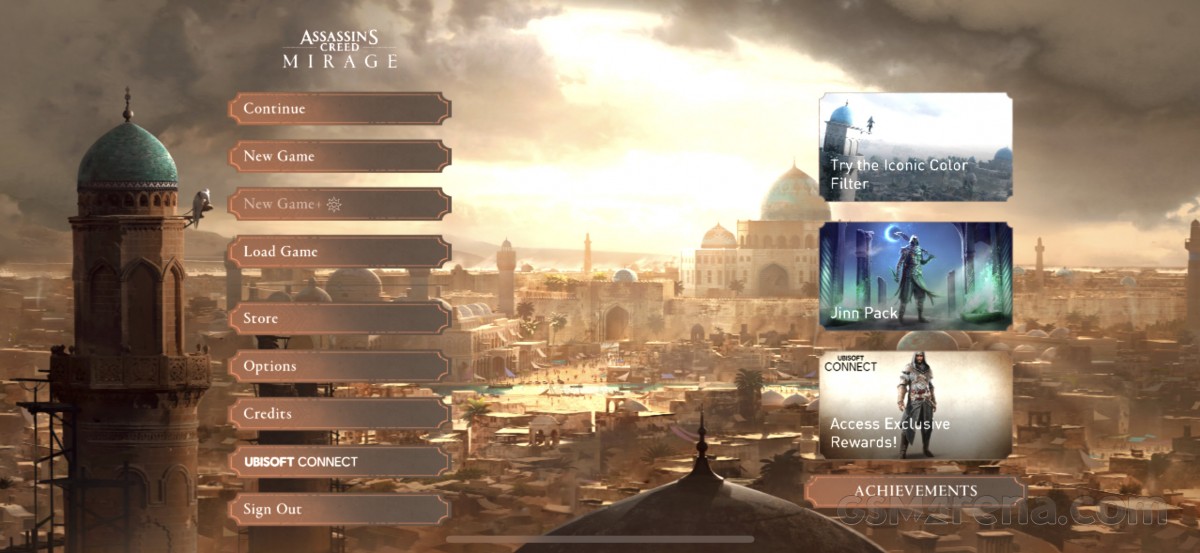
The game is about 10GB in size when downloaded from the App Store on the iPhone 15 Pro and then downloads another 3GB or so once launched. Interestingly, when checking the size of the fully downloaded and installed game on the phone, the iPhone reported that only 3 GB of space on the device was being used.
Mirage can be downloaded for free from the App Store. However, you’re limited to 90 minutes of gameplay, after which you must make a $25 in-app purchase to continue playing. The game also has other cosmetics and in-game items that can be purchased for $10-$15 in-game.








In-app purchases
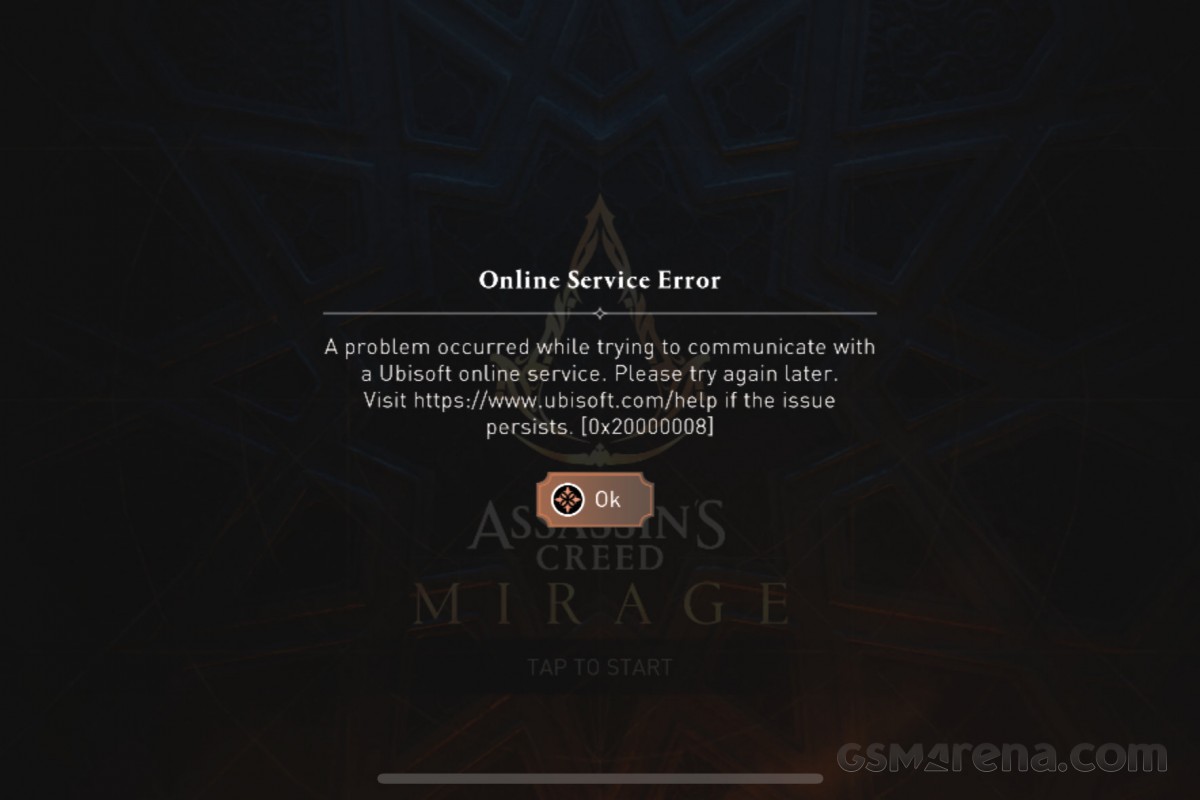
One immediate annoyance with the game is that it requires you to create a Ubisoft ID to play instead of simply allowing you to log in with your Apple ID. The current version at the time of testing (1.0.9) also occasionally threw an online server error when trying to log in, which was doubly annoying.
Moving on, let’s talk about the visuals and performance. The game was tested on the iPhone 15 Pro, which, along with the Max variant, is the least powerful mobile device that can run this game currently.
In terms of visuals, Assassin’s Creed Mirage wasn’t exactly groundbreaking even on other platforms. That said, the game still looks pretty good, especially on PC with all settings turned on. As is typical for AC games, Mirage is based on Ubisoft’s Anvil engine, which is also used for the company’s other titles.
On the iPhone, Mirage offers the user three visual presets viz. low, medium and high, with medium being the default value. The settings globally adjust multiple parameters without allowing the user to drill down into the details manually, like in the PC version.
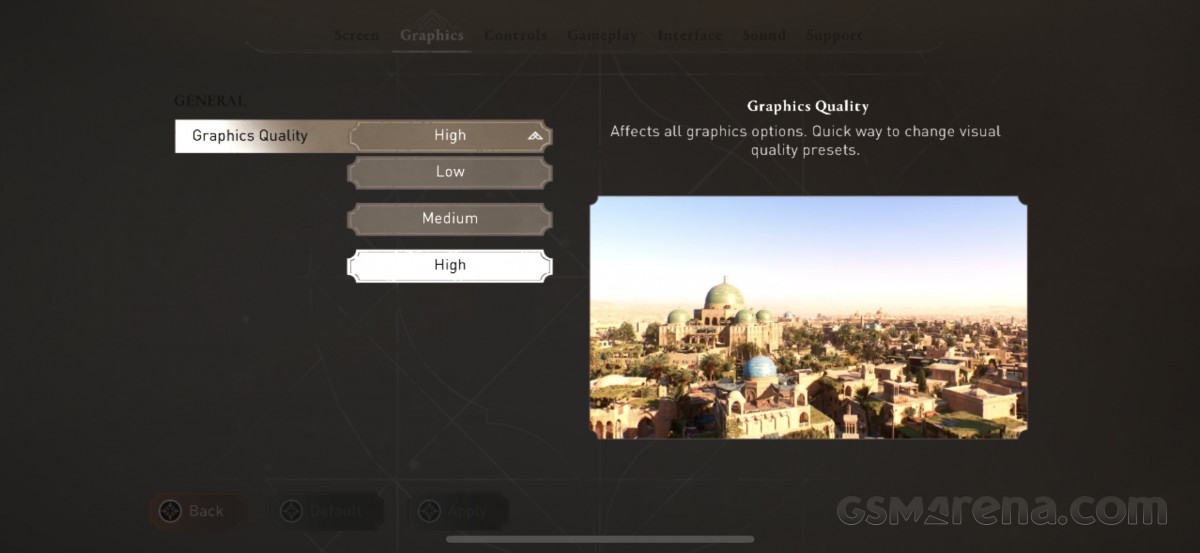
Starting with the high preset and moving to medium shows a selection of the LOD or level of detail in distant objects, with reduced object density further away from the camera. The game also switches to simpler geometric meshes for certain objects such as trees, building railings, and other cluttered scene elements. Shadow resolution is also reduced, resulting in smoother, blockier shadow maps.
Going from medium to low further reduces the LOD of distant objects, makes geometry even close to the camera more blocky, further reduces the resolution of shadows, and also removes certain texture decals from environments.



High medium low
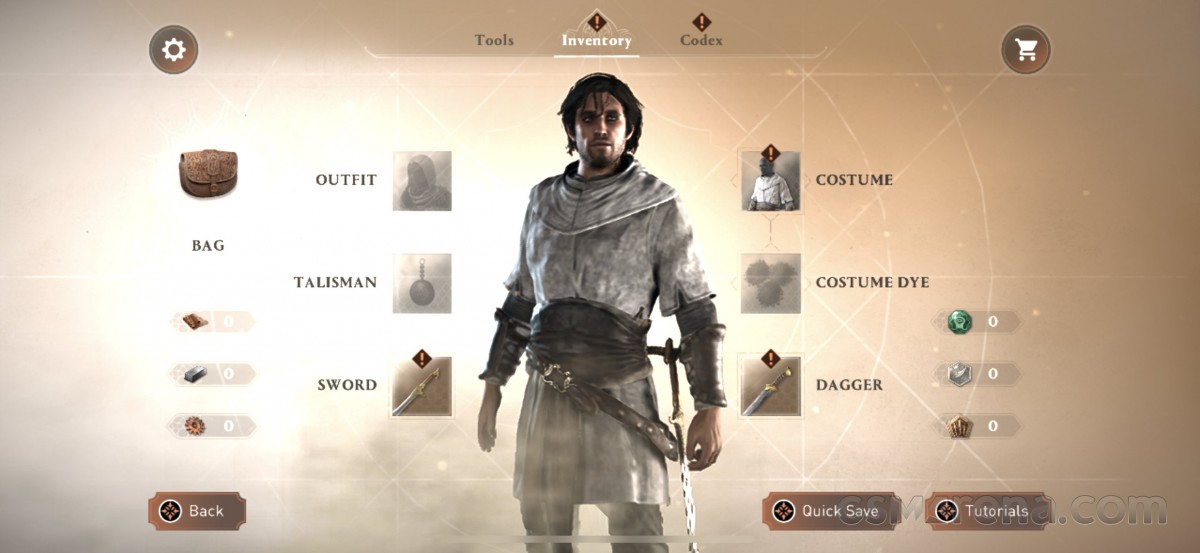
Compared to the PC version of the game running at maximum settings, the high preset on iOS compares quite well, with the only major difference being the texture resolution, which I’ll get to in a minute. The mobile version also has lower quality shadow maps even with the high preset and not all objects cast shadows. Still, the mobile version looks pretty good even on the lowest settings, which isn’t noticeably bad while playing unless you stop and look.
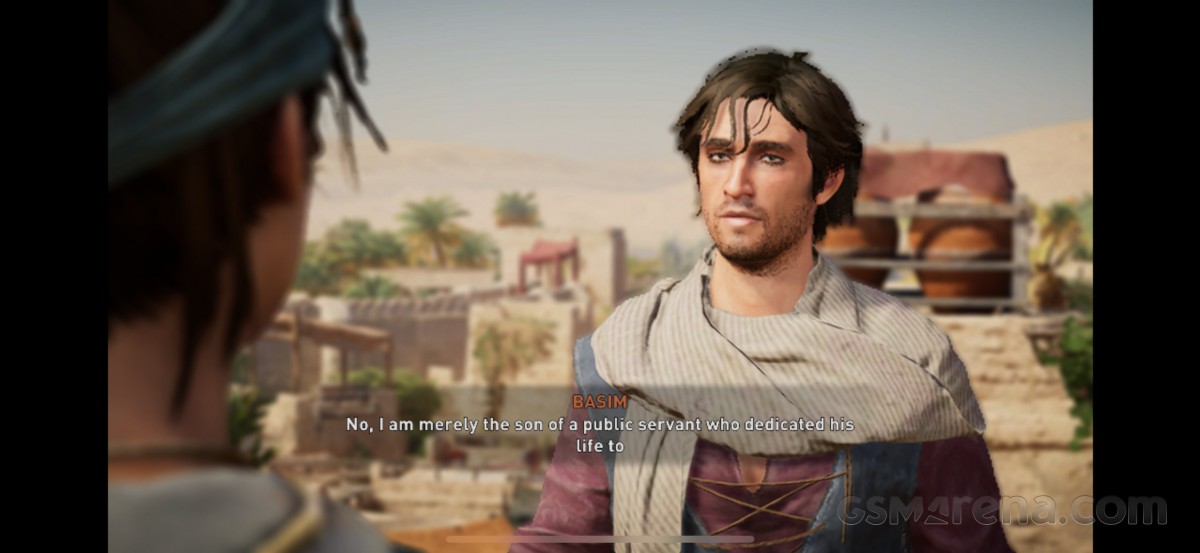
The only strange thing I noticed was the eyes of the characters in the cutscenes, which looked quite dead with inadequate animation. This wasn’t a problem on other platforms, so it could be a bug or a performance saving feature.
By far the biggest visual issue with the mobile release is the texture resolution. Despite the preset, the resolution of the textures remains the same on the iPhone, that is, they are uniformly low resolution and blurry. This is an understandable trade-off since, although texture resolution is not governed by GPU performance, it requires video and/or system memory, of which the iPhone has very little.
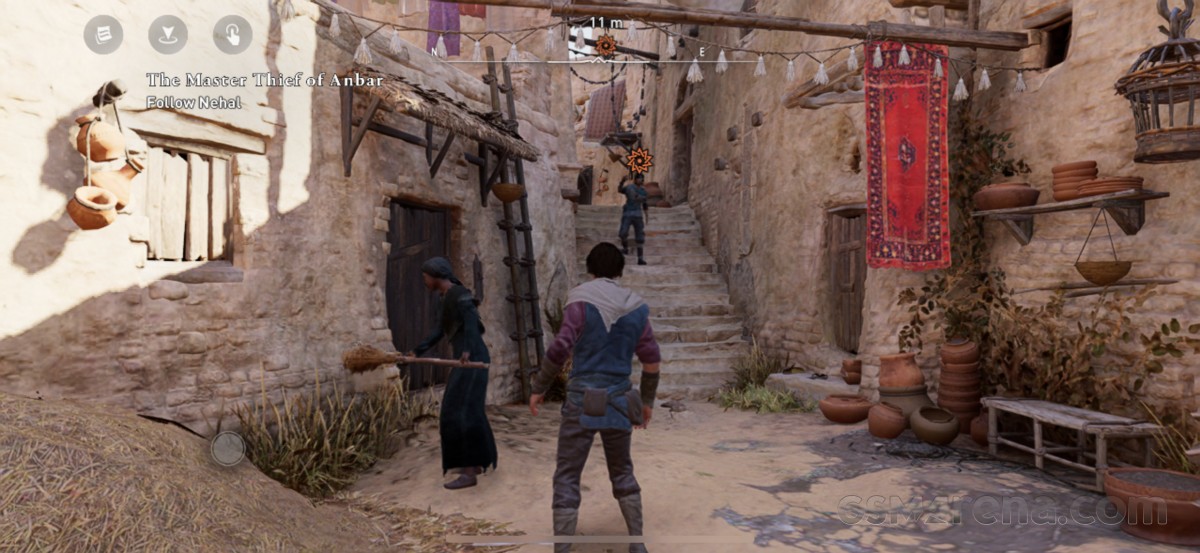
Assassin’s Creed Mirage on the iPhone runs at a quarter resolution of the screen, which on the iPhone 15 Pro means 1278 x 590. This is the output resolution of the game, but internally it is rendered at an even lower resolution and then it is increased to the previous number. probably with MetalFX. We don’t know what the exact internal rendering resolution is or what variant of MetalFX Ubisoft is using, if anything. There are some disocclusion artifacts in the form of sizzling on background objects when foreground objects move in front of them, suggesting a time-zooming solution.
However, unlike Resident Evil 4 or Death Stranding, which looked especially blurry on the iPhone, Assassin’s Creed Mirage doesn’t run at a significantly low resolution. So while the game looks a bit soft, it is far superior in terms of rendering resolution compared to the other two titles. That’s why low-resolution textures stand out especially, since the rest of the game can be quite sharp.
In terms of performance, Mirage is locked at 30 FPS on both iPhone and iPad. However, the game struggles quite a bit to reach this performance goal, even with the default medium setting. High can be quite unplayable outside of select areas, so it’s best to leave that option for future devices.
But even the default medium preset chosen by Ubisoft often struggles to maintain playable frame rates with long frame-time spikes that can be quite detrimental to the game’s fluid parkour-style movement. The most reliable way to reduce performance is to enable the Eagle Vision feature, which allows the player to see enemies and key objects through walls and increases the load on the GPU by having to render objects outside of the typical frustum view. The frame rate in this mode can be quite low, making the stealth sections a bit tedious.
The game also has difficulty streaming resources while running, causing traversal stuttering. At one point the main character simply froze while running, not because the game itself had frozen as the camera could still move, but rather the character simply got stuck mid-run while the engine waited to load the area. later in memory. I don’t think this is a memory bottleneck issue, but rather a CPU bottleneck issue, as the iPhone’s CPU was unable to meet the demands of the Anvil engine, which is known for not properly utilizing the multiprocess.
Regardless of the reason, playing the game can be quite annoying, unfortunately often at the worst moments, when you are in combat or have to run away from enemies. Switching to the lower preset relieves some of the strain on the GPU, but doesn’t do much to improve the CPU situation.
Assassin’s Creed Mirage on iPhone renders in the native ultrawide aspect ratio. However, this is achieved by cropping the top and bottom of the screen from the original 16:9 aspect ratio rather than expanding the horizon, as handled in the PC version and also other previous AAA iOS games. The scenes, however, are rendered in 16:9, resulting in distracting black bars and transitions every time you play.
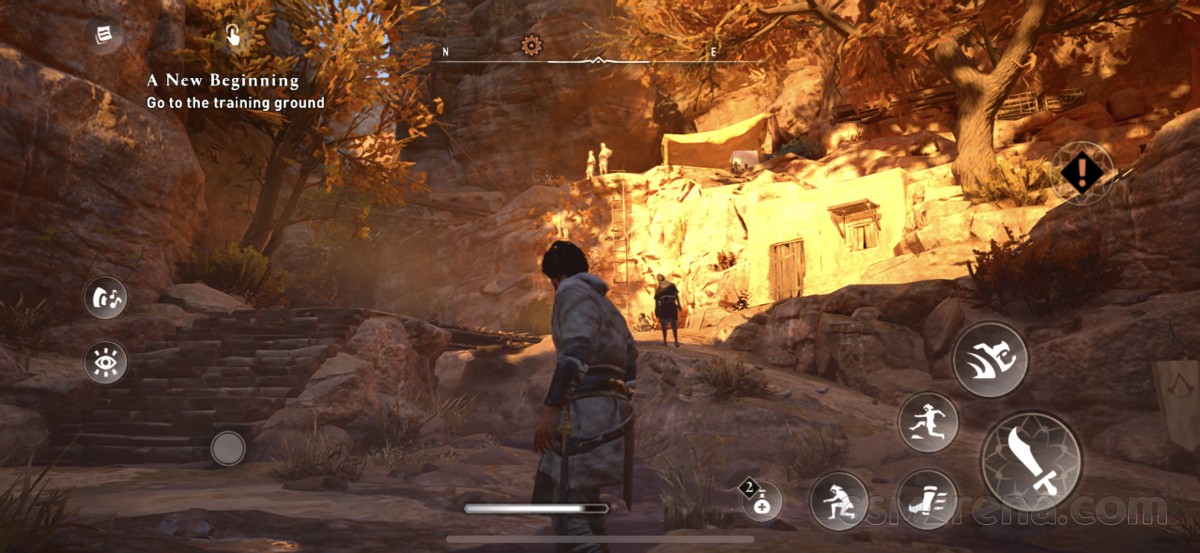
One thing Assassin’s Creed Mirage on iOS does surprisingly well is the controls. While the controls in the Resident Evil and Death Stranding games were awful and almost unusable, the controls within Mirage aren’t much different than what you’d find in typical mobile games, meaning they’re still limited to what you can accomplish in A touch screen but quite usable at the same time. Of course, a controller is still your best option and my Xbox Wireless Controller worked perfectly over Bluetooth, but unlike other AAA releases on the platform, you’re not forced to use one.
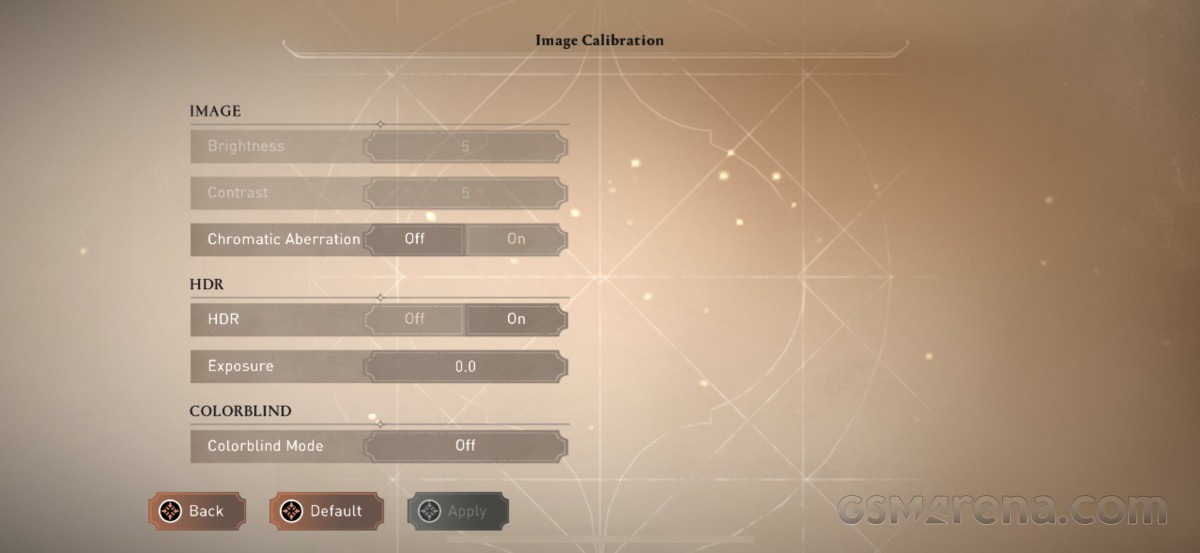
Another nice feature is the presence of HDR, which works spectacularly well on the iPhone 15 Pro’s OLED display. This feature was severely lacking in Death Stranding, but it’s good to see that Ubisoft didn’t skimp on it.
Overall, I have mixed feelings about Assassin’s Creed Mirage on the iPhone. On the one hand, the game looks good except for the blurry textures, has good touch controls, good HDR, and doesn’t take up too much space on your device. And while it was outside the scope of this review, the gameplay is decent as well.
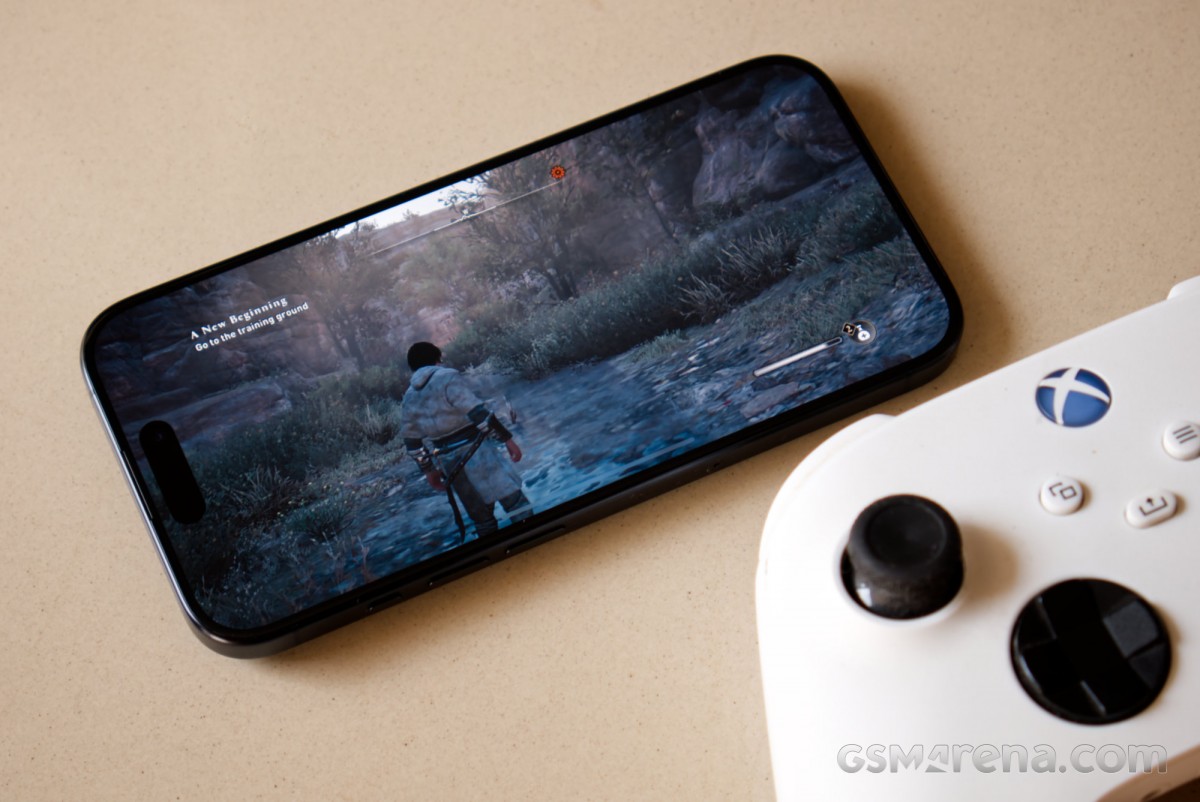
On the other hand, performance can be quite poor, usually when you need it most. As things stand, Ubisoft needs to make more cuts to the game’s visuals to make it easier on iPhone hardware, as the current version of the game seems more optimized for iPads. As such, I can’t recommend spending money on the game in its current state on the iPhone. However, the first 90 minutes are free, so you can download it and see for yourself if it’s something you can enjoy playing.