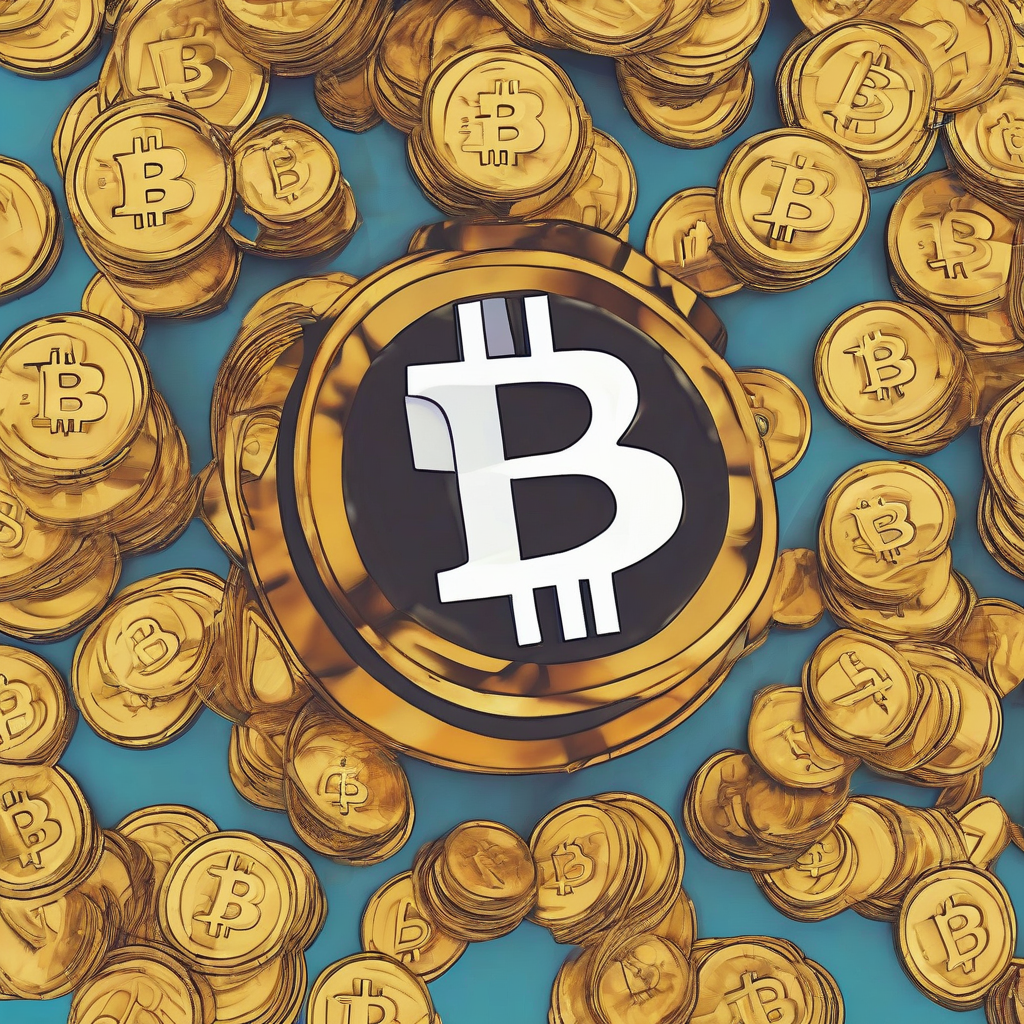
<div class="container">

    <header>

        <span class="category">Finance & Culture</span>

        <h1>The Generational Wealth Shift: Why Millennials and Gen Z are Choosing Bitcoin Over Real Estate</h1>

        <div class="meta">

            Published on October 24, 2023 • Written by Alex Sterling • 8 min read

        </div>

    </header>
<!-- Placeholder for a sleek, modern visual -->

    <div style="background: linear-gradient(135deg, #1a1a1a 0%, #f7931a 100%); width:100%; height:300px; border-radius:8px; display:flex; align-items:center; justify-content:center; margin: 30px 0;">

        <span style="color:white; font-size:2rem; font-weight:bold; text-align:center; padding:20px;">The New American Dream is Digital</span>

    </div>
<article>

        <p>For decades, the "American Dream" was anchored in a tangible, brick-and-mortar reality: buy a home, pay off a 30-year mortgage, and watch your property value appreciate. It was the undisputed path to middle-class security and generational wealth.</p>
<p>However, a seismic shift is occurring in the global financial landscape. Millennials and Generation Z, faced with an unprecedented housing crisis, soaring interest rates, and stagnant wages, are rewriting the rules of wealth creation. Instead of saving for down payments on overpriced starter homes, younger generations are increasingly turning to a digital alternative: <strong>Bitcoin</strong>.</p>
<h2>1. The Barrier to Entry: The Dream is Priced Out</h2>

        <p>The primary driver of this shift is simple mathematics. For many young adults, the housing market has transitioned from an aspiration to an impossibility. According to recent housing data, the median home price-to-income ratio is at its highest level in history, compounded by mortgage rates hovering near two-decade highs.</p>
<blockquote>

            "My parents bought their first house for three times their annual salary. Today, a modest home in my city costs ten times my salary. Bitcoin doesn’t care about my debt-to-income ratio; I can buy $5 worth of it today." <br>

            <span style="font-size: 0.9rem; color: #555;">— Maya, 26, Software Engineer</span>

        </blockquote>
<p>Unlike real estate, which requires tens of thousands of dollars for a down payment, closing costs, and agent fees, Bitcoin is endlessly divisible. A user can purchase a fraction of a Bitcoin (known as a "Satoshi") for the cost of a cup of coffee, lowering the barrier to entry to virtually zero.</p>
<h2>2. The Liquid vs. Illiquid Asset Dilemma</h2>

        <p>Millennials and Gen Z value flexibility and mobility over being anchored to a specific geographic location. Real estate is notoriously illiquid. Selling a house is a lengthy, stressful process that takes weeks, if not months, and eats up 5-6% of the asset's value in transaction fees.</p>
<p>Bitcoin, by contrast, operates on a 24/7/365 global market. It can be bought, sold, or transferred anywhere in the world in a matter of minutes. In an era defined by economic instability and the rise of remote "digital nomad" work lifestyles, the liquidity and portability of Bitcoin align perfectly with modern values.</p>
<h2>3. Maintenance Costs vs. Digital Upkeep</h2>

        <p>Owning a home comes with hidden, recurring costs: property taxes, homeowners association (HOA) fees, insurance, and the inevitable physical upkeep (roof repairs, plumbing issues, HVAC replacement). These expenses eat into the actual net return of real estate investment.</p>
<p>Bitcoin has zero physical maintenance costs. There are no property taxes, no lawns to mow, and no pipes to burst. Once secured in a hardware wallet, holding Bitcoin requires nothing more than keeping your seed phrase safe.</p>
<h2>Comparison: Real Estate vs. Bitcoin</h2>

        <table class="comparison-table">

            <thead>

                <tr>

                    <th>Feature</th>

                    <th>Real Estate</th>

                    <th>Bitcoin</th>

                </tr>

            </thead>

            <tbody>

                <tr>

                    <td><strong>Minimum Investment</strong></td>

                    <td>High (Typically tens of thousands)</td>

                    <td>Extremely Low (Fractional purchases)</td>

                </tr>

                <tr>

                    <td><strong>Liquidity</strong></td>

                    <td>Low (Weeks to months to cash out)</td>

                    <td>High (Instant, global trading 24/7)</td>

                </tr>

                <tr>

                    <td><strong>Ongoing Costs</strong></td>

                    <td>Taxes, maintenance, insurance</td>

                    <td>None (Self-custody is free)</td>

                </tr>

                <tr>

                    <td><strong>Portability</strong></td>

                    <td>None (Geographically fixed)</td>

                    <td>Absolute (Can be accessed globally)</td>

                </tr>

                <tr>

                    <td><strong>Scarcity</strong></td>

                    <td>Relative (More land/homes can be built)</td>

                    <td>Absolute (Hard cap of 21 million)</td>

                </tr>

            </tbody>

        </table>
<h2>4. The Search for Absolute Scarcity</h2>

        <p>Younger generations have grown up through the 2008 financial crisis, the COVID-19 inflation spike, and massive central bank money printing. They are highly skeptical of fiat currency and traditional systems. While governments can print more money (devaluing cash and inflating house prices) and developers can build more high-rises, <strong>there will only ever be 21 million Bitcoin</strong>.</p>
<p>This absolute mathematical scarcity appeals to digital natives who understand software. They view Bitcoin as "digital gold"—an inflation hedge that cannot be diluted by government intervention.</p>
<h2>5. Embracing Volatility for Asymmetric Upside</h2>

        <p>Critics of Bitcoin often point to its notorious price volatility. However, to a generation that feels locked out of traditional wealth-building mechanisms, volatility is not a bug; it is a feature. </p>
<p>With real estate yielding steady but slow single-digit annual returns, Bitcoin offers "asymmetric upside"—the potential for exponential gains over a multi-year horizon. For a 22-year-old with decades of earning potential ahead, the risk of short-term volatility is a price worth paying for the chance at financial independence.</p>
<h2>A Paradigm Shift in Progress</h2>

        <p>This trend does not mean the end of real estate. Humans will always need physical shelter. However, it does mark the end of real estate's monopoly as the primary vehicle for generational wealth accumulation.</p>
<p>As the "Great Wealth Transfer" begins—over the next two decades, Boomers are expected to pass down over $84 trillion to heirs—much of that capital is poised to flow into digital assets. For Millennials and Gen Z, the future of wealth is not built of brick and mortar; it is secured in blocks and code.</p>

    </article>
<footer>

        <p>© 2023 Digital Wealth Journal. All rights reserved. <br>

        <em>Disclaimer: This article is for informational purposes only and does not constitute financial advice.</em></p>

    </footer>

</div>