Up to 58% of Americans use free public Wi-Fi while traveling, according to a new study by Satisfiedan eSIM provider. While it is a convenient and cost-effective way to use the internet while traveling, it also raises certain cybersecurity concerns.
“Public Wi-Fi networks have multiple cybersecurity issues,” says Vykintas Maknickas, Head of Product Strategy at Nord Security. “Man-in-the-middle attacks, where cybercriminals can intercept communication between your phone or laptop and the Wi-Fi network to spy on your activity, steal data or install malware, are just one example. Session hijacking, an attack where criminals can steal session cookies and gain unauthorized access to user accounts, is another.”
Dangers of public Wi-Fi networks
In addition to the types of attacks mentioned above, hackers can also use different types of techniques to abuse public Wi-Fi networks. For example, they can set up rogue access points (fake Wi-Fi networks that mimic legitimate ones). When a user connects to these rogue access points, attackers can gain access to the device and steal data.
Another type of attack is called an evil twin attack. Like rogue access points, an evil twin attack involves setting up a network with the same name as a legitimate public Wi-Fi network, such as at a hotel or coffee shop. Users can unwittingly connect to the “evil twin,” giving attackers the ability to intercept their communications.
Finally, cybercriminals can use special software to “sniff” data being transmitted over a public Wi-Fi network; this type of attack is simply called “sniffing.”
Time spent online while traveling
Looking at what exactly people use the Internet for when they travel, Saily’s survey found that, overall, American travelers spend a significant amount of time online. Only about a quarter spend less than two hours online a day, and most exceed this limit.
When it comes to online activity, 56% of people say most of their time online is spent communicating and 50% sharing on social media.
A staggering 42% use the Internet to manage their money (make payments and transactions).
“Especially when it comes to financial matters, I strongly recommend using mobile networks instead of public Wi-Fi. If such sensitive information is leaked, it can be particularly damaging for the victim,” says Vykintas Maknickas, Head of Product Strategy at Nord Security.
What do experts recommend?
While it’s understandable that travelers are looking for the most convenient and affordable options for Internet access, Maknickas recommends considering alternative Internet options.
“Mobile internet is more secure, especially when it comes to activities like online banking,” says Vykintas Maknickas, Head of Product Strategy at Nord Security. “Today there are also affordable options, such as eSIM cards or international data packages, so users don’t have to sacrifice security for a lower price.”
However, for those considering using public Wi-Fi, he recommends taking these steps to protect the connection:
- Avoid accessing sensitive information: Refrain from accessing banking sites, making online purchases, or entering sensitive information while connected to a public Wi-Fi network; it is best to use mobile data for such tasks.
- Forget network: After using a public Wi-Fi network, choose the “forget network” option on your device to prevent automatic reconnection in the future.
- Update your software: Make sure your operating system, browsers, and applications are up to date with the latest security patches.
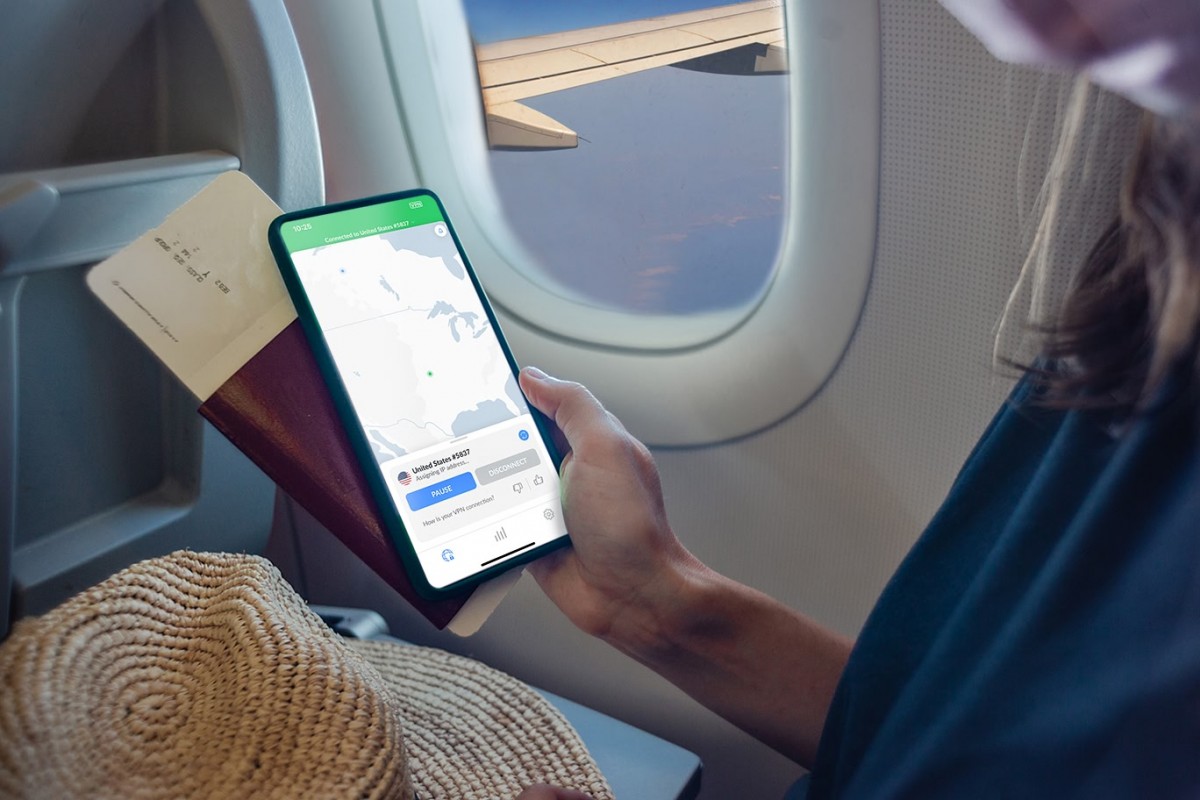
- Use a VPN (virtual private network): A VPN encrypts your internet connection, making it much harder for attackers to intercept your data.
About Saily
Saily is an affordable, easy-to-use, and sustainable eSIM service that helps people manage their mobile and internet connections from anywhere in the world without worry. Saily offers 24/7 instant customer support, flexible plans, and global coverage. Saily was created by the experts behind NordVPN, the advanced security and privacy app. For more information: en:saily.com.
If you want to subscribe to Saily You can follow this linkAlternatively, you can consult This offer from NordVPNwhich allows you to get Saily for free.
This is a sponsored post. Sponsorship is a form of advertising. The views and opinions expressed in this article are those of the sponsor and may not reflect our own.